





Exploring the intriguing evolution of gambling through the ages
The Origins of Gambling
The history of gambling dates back thousands of years, with evidence suggesting that it originated in ancient civilizations. Archaeological findings reveal that the Chinese were playing games involving dice as early as 2,300 BC. This early form of gambling was not merely for entertainment; it played a significant role in various rituals and ceremonies, reflecting the complex relationship humans have had with chance and fate. Today, players can discover engaging platforms like Hi Spin casino in Australia, where the thrill of modern gaming meets this ancient tradition.
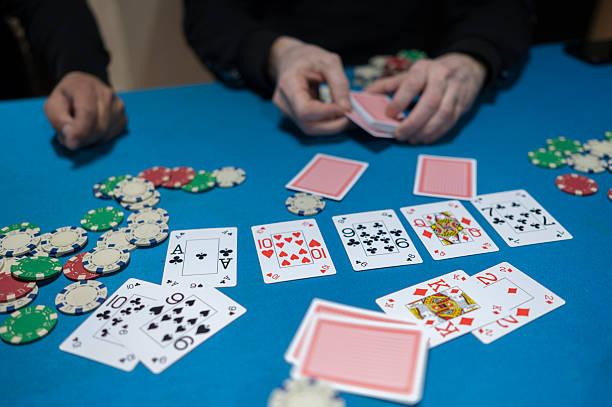
In addition to ancient China, other cultures also embraced gambling. The Romans, for example, incorporated betting into their sporting events, while the Greeks enjoyed games of chance. The practice spread across Europe, developing into more structured forms of betting as the concept of organized gambling began to take shape.
The Rise of Organized Gambling
As societies evolved, so did the structure of gambling. By the Middle Ages, establishments known as gambling houses began to emerge, offering games that attracted a diverse crowd. These venues often provided a mix of social interaction and risk-taking, which appealed to various classes of society. The first recorded lottery, established in the 15th century in Flanders, was a significant milestone in organized gambling.
The advent of the Renaissance further transformed gambling. Innovations in game design and the creation of standardized decks of cards led to games like poker and blackjack. These games not only became popular in Europe but also found their way to the Americas, adapting to local cultures and preferences along the way.
The Legalization and Regulation of Gambling
By the 19th century, as gambling grew in popularity, the need for regulation became apparent. Various governments began to legalize and regulate gambling activities, recognizing the economic potential and the need to protect players. This era saw the establishment of state-run lotteries and horse racing, which were heavily monitored to ensure fair play.
The legalization of gambling also led to the rise of casinos, particularly in cities like Las Vegas and Atlantic City. These establishments not only provided gambling options but also became entertainment hubs, offering shows, dining, and other amenities. This marked a significant shift in the perception of gambling, turning it from a clandestine activity into a mainstream form of entertainment.
The Digital Revolution and Online Gambling
The advent of the internet in the late 20th century heralded a new era for gambling. Online casinos emerged, allowing players to engage in their favorite games from the comfort of their homes. This shift democratized access to gambling, enabling a broader audience to participate without the need to travel to physical locations.
As technology advanced, so did the sophistication of online gambling platforms. Live dealer games, mobile gaming, and various innovative betting options transformed the landscape. This evolution not only catered to the preferences of a tech-savvy generation but also introduced new challenges regarding regulation and responsible gaming practices.

Modern Trends and Future Directions
Today, gambling continues to evolve, influenced by cultural shifts, technological advancements, and changing regulations. With the rise of cryptocurrencies and blockchain technology, new forms of online gambling are emerging, promising enhanced security and transparency. Additionally, the integration of artificial intelligence is shaping personalized gaming experiences, tailoring offerings to individual player preferences.
As we look toward the future, the gambling industry is poised for further evolution. Trends such as gamification, virtual reality, and esports betting indicate a dynamic landscape where the lines between traditional gambling and interactive entertainment are increasingly blurred. Whether through innovative gameplay or new payment methods, the journey of gambling remains captivating and ever-changing.